
Segesta Erice And Salt Pans
Visitor Guide

Salt Pans of Trapani

The Trapani saline stretch along Sicily's western coast between the city and Marsala, a grid of shallow basins separated by narrow paths and punctuated by windmills. This guide covers what you need to know before visiting: when the reserve is open, how the landscape changes with the seasons, and the practical routes from Segesta or Erice.

9 min read Updated 2026-09-24 Fact-checked
Salt Pans of Trapani

Quick answer

The salt pans of Trapani are open daily from 09:00 to 19:00, with the Salt Museum charging €2.50 for entry while the nature reserve itself remains free to explore. Arrive between 09:00 and 18:00 for the best light—morning offers soft tones across the water, and late afternoon through sunset delivers the golden and pink hues the saline are known for. Summer brings higher evaporation and whiter salt mounds; winter fills the basins with deeper water and migratory birds.

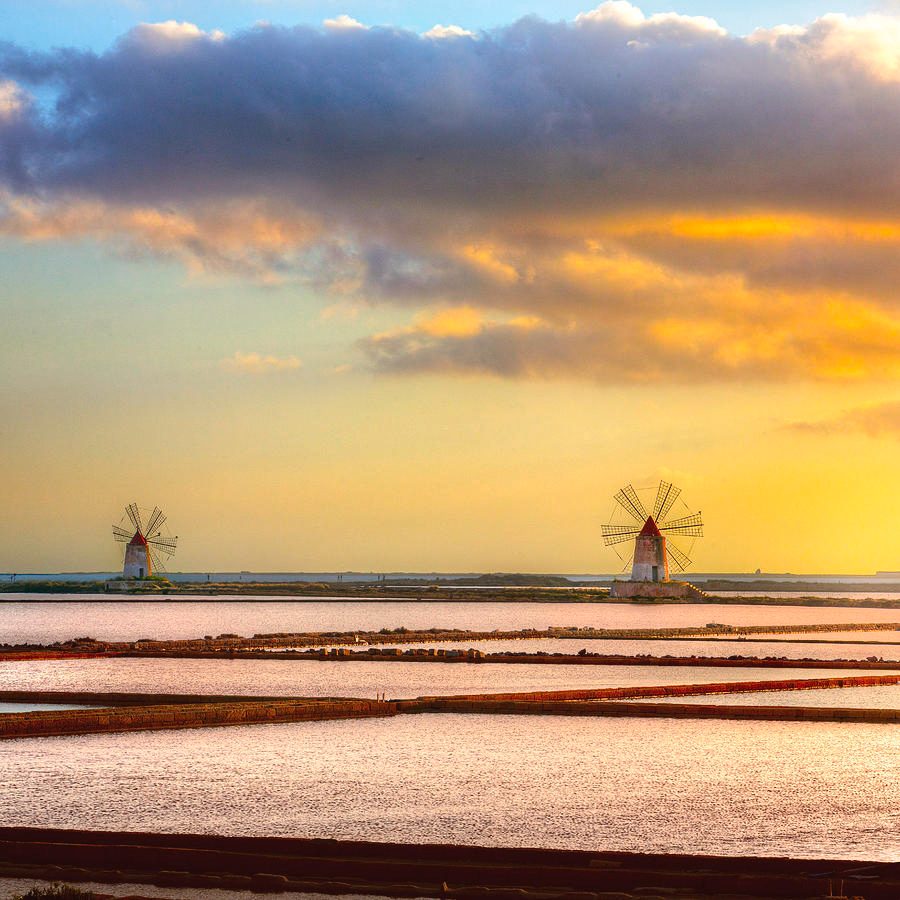
The Riserva Naturale Orientata Saline di Trapani e Paceco covers 1,000 hectares of shallow evaporation basins where seawater has been harvested for salt since Phoenician times. The landscape operates on a strict hydraulic logic: channels feed seawater into progressively shallower pans, and as the water evaporates under the Sicilian sun, salt crystallizes in brilliant white pyramids. Windmills—some restored, others skeletal—once powered Archimedean screws to move brine between basins. Today most extraction is mechanized, but the visual grammar of the reserve remains intact. The Museo del Sale at Via Ettore Messina documents the tools and rhythms of the salt harvest. Wooden shovels, wicker baskets, and scale models of the screw pumps occupy a restored mill. The exhibition is compact but specific, and the €2.50 admission includes access to the mill's upper floors where the gears and mechanisms are visible. Outside, footpaths trace the edges of the pans. The substrate is compacted salt and clay; in summer it bakes hard, in winter it softens and reflects the sky. Light governs the best visiting window. Morning sun illuminates the eastern pans and the shallow water glows turquoise. Late afternoon shifts the palette to amber and rose, especially between May and September when the salt mounds are tallest and the water level drops. Bird activity peaks during migration—flamingos, avocets, and stilts stop here between October and March. The reserve lies 15 kilometers south of Erice via the SP21 and 40 kilometers west of Segesta along the A29 and coastal road. Buses run from Trapani city center but infrequently; a rental car offers flexibility for combining the salt pans with the hilltop sites in a single day. The saline are not a ruin you walk through but a working landscape you observe from its edges. The paths are open, the museum contextualizes what you see, and the rhythm of the visit depends entirely on the quality of light when you arrive.

“The landscape operates on a strict hydraulic logic: channels feed seawater into progressively shallower pans, and as the water evaporates under the Sicilian sun, salt crystallizes in brilliant white pyramids.”
Directions

How to Reach the Salt Pans of Trapani Independently

The Salt Pans of Trapani are located within the Riserva Naturale Orientata Saline di Trapani e Paceco along the SP21 coastal road. Traveling by private car is the most direct method to reach the reserve entrance at Via Ettore Messina, 1.

Car 20-30 min from Trapani center —

Follow SP21 coastal road towards Trapani

Bus 30-40 min Varies

AST bus line towards Paceco/Trapani

Taxi 15-20 min Varies

Direct service from Trapani city center

Parking is available near the visitor entrance on Via Ettore Messina. Ensure your vehicle is parked in designated areas to avoid obstructing local traffic near the salt marsh access points.

Opening hours

Opening Hours for the Salt Pans of Trapani

The Salt Pans of Trapani are open to visitors throughout the week. You may plan your visit on any day from Monday through Sunday.

Monday
09:00–19:00
Tuesday
09:00–19:00
Wednesday
09:00–19:00
Thursday
09:00–19:00
Friday
09:00–19:00
Saturday
09:00–19:00
Sunday
09:00–19:00
Visitors are encouraged to arrive within the recommended window to ensure adequate time for exploration.
Timing

Best Time to Visit the Salt Pans of Trapani

The optimal time to visit the Salt Pans of Trapani is during the shoulder seasons of spring and autumn, specifically within the best arrival window of 09:00–18:00. This period balances favorable light for photography with comfortable, moderate temperatures.

April to May

Low to moderate

Mild, 18°C to 23°C

The landscape is vibrant and temperatures are ideal for walking the paths.

September to October

Moderate

Warm, 20°C to 26°C

This period follows the harvest, offering peaceful observation conditions.

Weekday mornings

Minimal

—

Arriving at 09:00 ensures quiet trails and soft light before the midday sun.

Late afternoon

High for sunset

—

The hours leading to 18:00 provide optimal golden hour light for photography.

Verdict: The concrete best slot is a weekday morning in May or October, arriving precisely at 09:00 to utilize the cooler temperatures and best light.

History

Historical Context of the Salt Pans of Trapani

The salt pans of Trapani trace their origins to Phoenician settlers who recognized the shallow coastal basins and reliable wind patterns as ideal for solar evaporation. By the time Norman rule consolidated in the twelfth century, salt production had evolved into a systematic enterprise. Frederick II of Swabia formalized extraction rights in 1231, establishing royal monopolies that would shape the region's economy for centuries. The aragonese crown later expanded infrastructure, constructing windmills and storage warehouses that transformed marshland into geometric evaporation pools. During the sixteenth century, Trapani emerged as the Mediterranean's largest salt exporter. Venetian merchants and Spanish galleons transported the mineral to Northern Europe, where it preserved fish and cured meat. Traditional production methods remained unchanged: seawater channeled through a series of shallow basins, each stage concentrating brine under the Sicilian sun until crystallization occurred in the final pools. Windmills powered Archimedean screws that transferred water between basins, their distinctive conical roofs becoming architectural markers of the saline landscape. Industrial decline began in the mid-twentieth century when mechanical harvesting and imported salt undercut artisanal operations. The 1995 establishment of the Riserva Naturale Orientata Saline di Trapani e Paceco halted further abandonment. Today visitors walk between restored evaporation pans where flamingos wade through brine. Working windmills at the Museo del Sale demonstrate wooden gears and millstones. The geometric pools still reflect sunset gradients, their surfaces shifting from pink to violet as microorganisms thrive in hypersaline conditions unchanged since Phoenician times.

8th c. BCE

Phoenician settlers establish initial salt extraction using natural coastal basins and solar evaporation techniques.

1231

Frederick II formalizes royal monopolies over salt production, standardizing extraction rights across western Sicily.

15th century

Aragonese engineers construct windmill networks and basin systems that industrialize traditional harvesting methods.

16th century

Trapani becomes the Mediterranean's dominant salt exporter, supplying Venetian and Spanish maritime trade routes.

1995

Riserva Naturale Orientata Saline di Trapani e Paceco protects 1,000 hectares of historic salt pans and traditional infrastructure.

2004

Museo del Sale opens in a restored windmill, preserving artisanal tools and demonstrating historical production processes.

Nearby

Nearby Attractions: Combining Segesta, Erice, and the Salt Pans of Trapani

The Salt Pans of Trapani serve as a central point for exploring the western coast of Sicily. Combining a visit here with the nearby hilltop town of Erice or the archaeological site of Segesta allows for a diverse experience of coastal landscapes and ancient history.

Erice

Erice

30 min drive

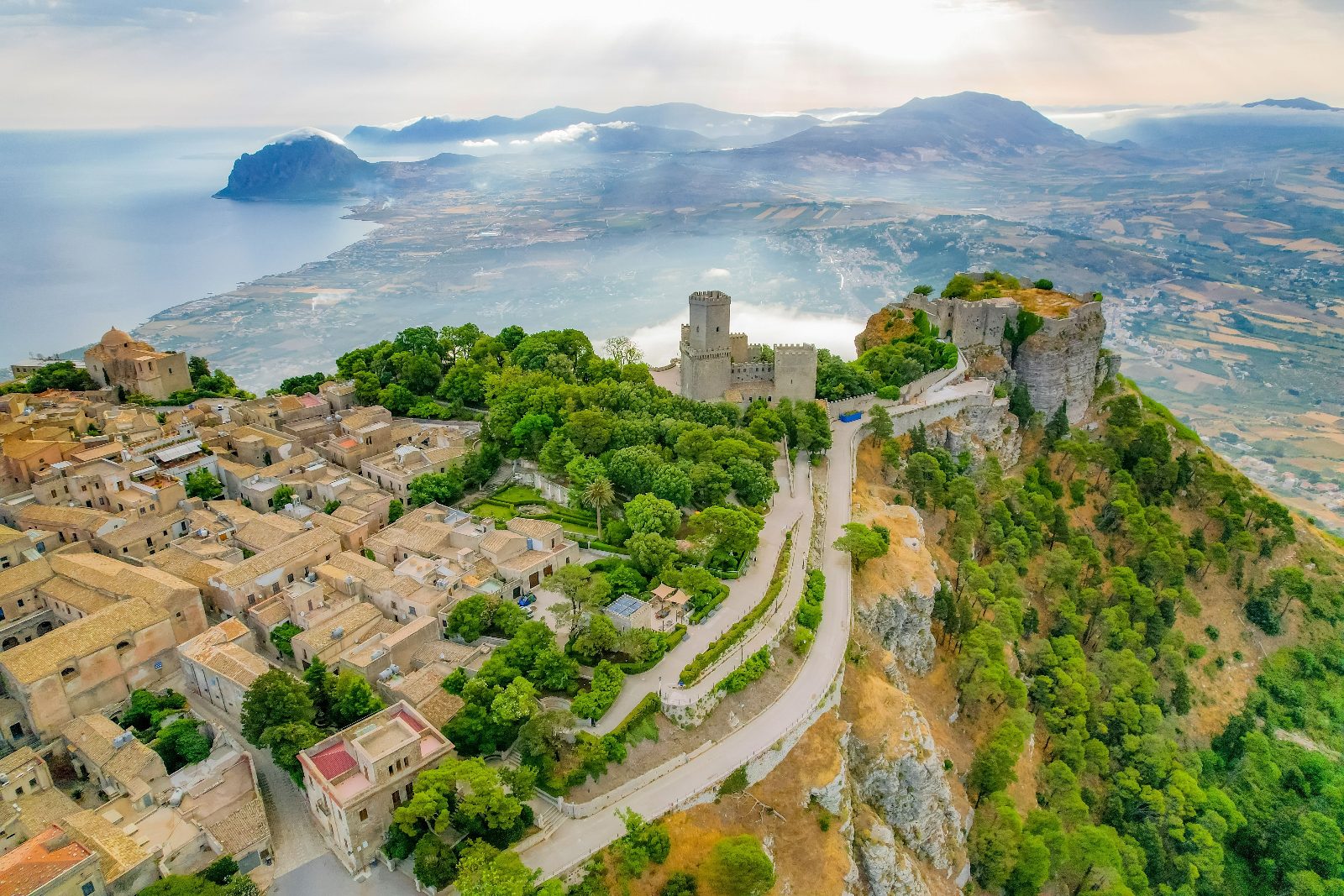
This medieval town sits high above Trapani and offers a significant contrast in elevation and atmosphere to the salt pans. Visiting both in one day allows you to transition from the coastal wetlands to the stone streets and panoramic views of the mountain.
Segesta Archaeological Park

Segesta Archaeological Park

45 min drive

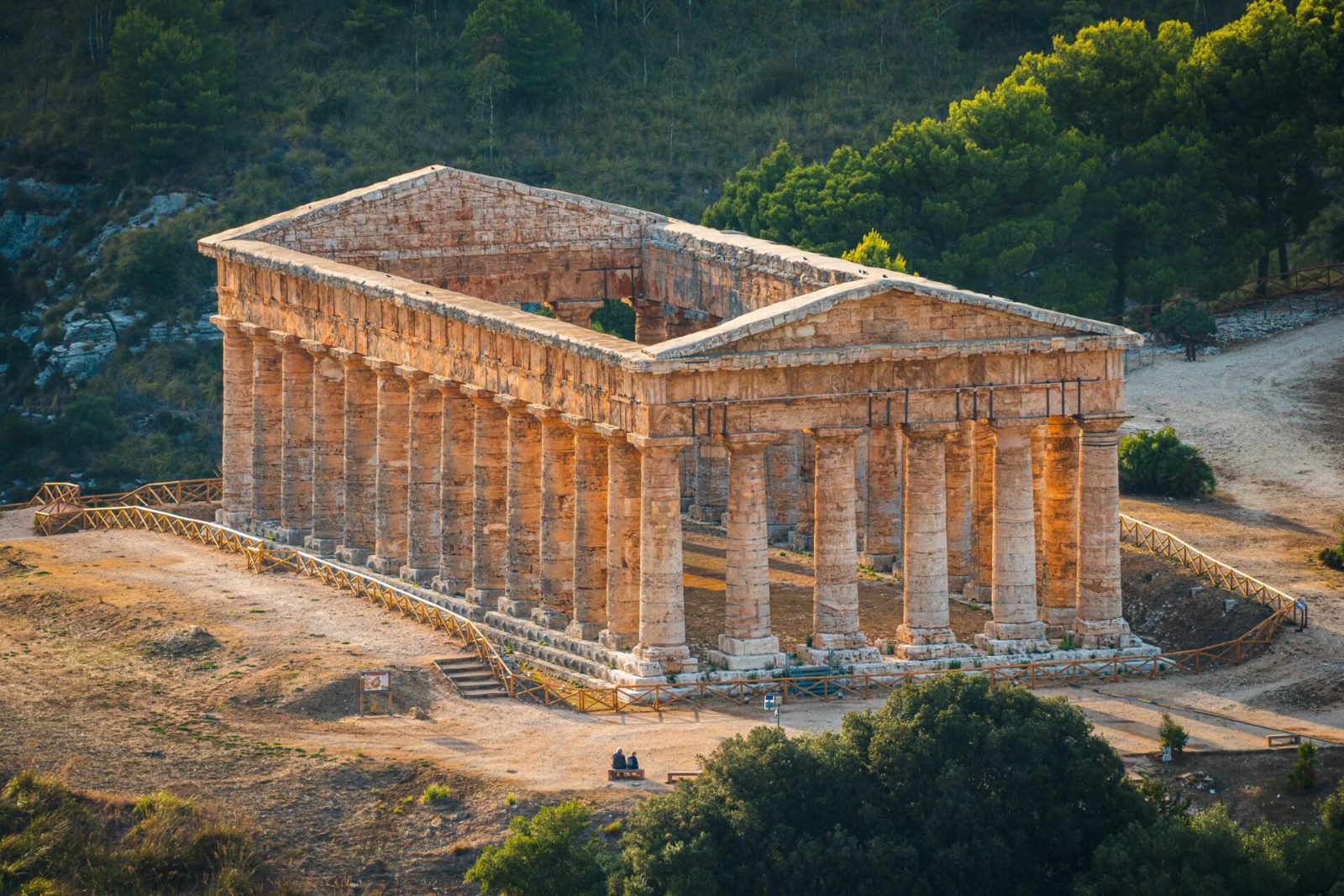
Located inland, this site features a well-preserved Doric temple and Greek theater. The route from the coast to the temple provides a clear view of the changing Sicilian landscape, making it a logical stop to include when traveling through the region.

Trapani Historic Center

Trapani Historic Center

15 min drive

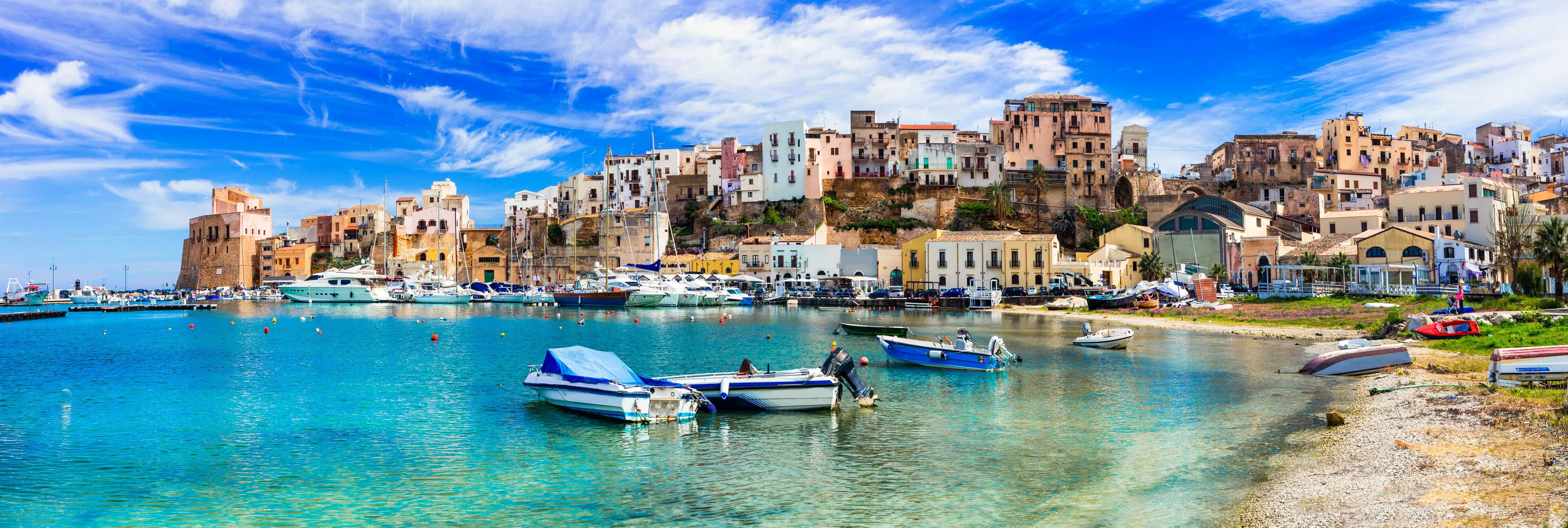
The city center features narrow streets and Baroque architecture, serving as the main hub for accessing the salt pans. It is the primary location for local dining and accommodation when visiting the surrounding attractions.

Book

Check availability

Frequently asked

Common Questions About the Salt Pans of Trapani

Everything you need to know about salt pans of trapani

How do I reach the salt pans of trapani?

You can reach the area by car or regional transport, following the route to Via Ettore Messina, 1. Detailed logistical guidance for your independent journey is provided in our dedicated transportation section.

Is there an entrance fee for the saline di trapani?

The nature reserve itself is free to enter for all visitors. An admission fee of 2.5 EUR is required specifically if you choose to visit the Salt Museum.

What is the best time to visit the salt pans of trapani?

The best arrival window is 09:00–19:00 daily, though we recommend 09:00–18:00 to catch the best morning light or late afternoon sunset photography. This timeframe also helps you avoid the highest temperatures of the summer day.

Can I explore these coastal landmarks independently?

Yes, the salt pans of trapani are accessible for independent travelers. We provide comprehensive information on local routes so you can plan your visit at your own pace.

Are the salt pans of trapani suitable for families with children?

The paths around the salt pans of trapani are generally flat and easy to navigate, making them manageable for families. Please keep in mind the summer heat and ensure children have adequate sun protection and water.

What should I bring when visiting these Mediterranean flats?

Visitors should bring comfortable walking shoes, sun protection, and a camera to capture the windmills and reflection of the sky in the water. Planning your visit according to the seasonal weather is key to a comfortable experience.

Are there other attractions like Segesta and Erice nearby?

Travelers often combine a trip to the salt pans of trapani with visits to the archaeological site of Segesta or the hilltop town of Erice. These three locations form a classic route through Western Sicily.

Keep reading

More guides & pages